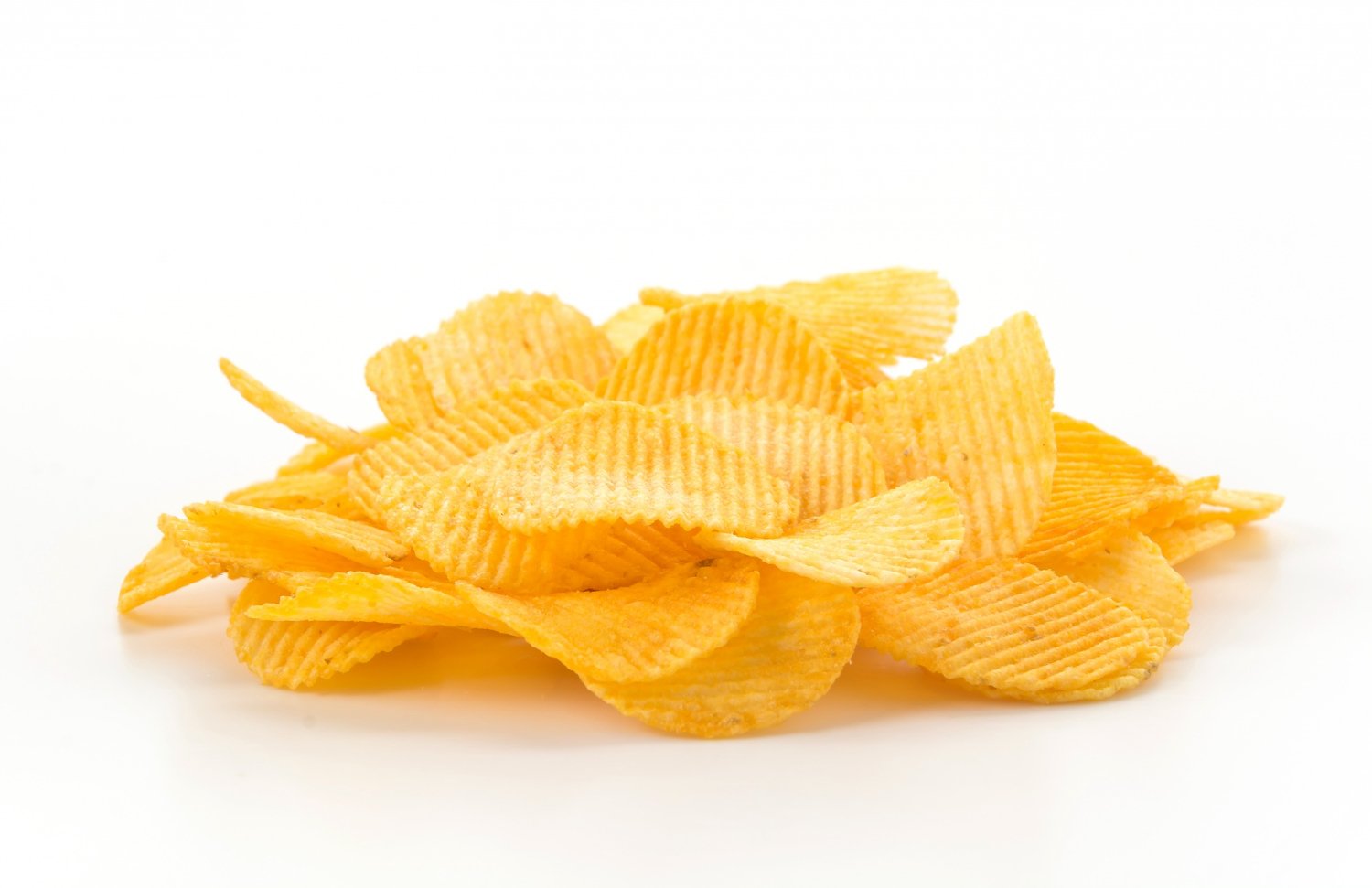
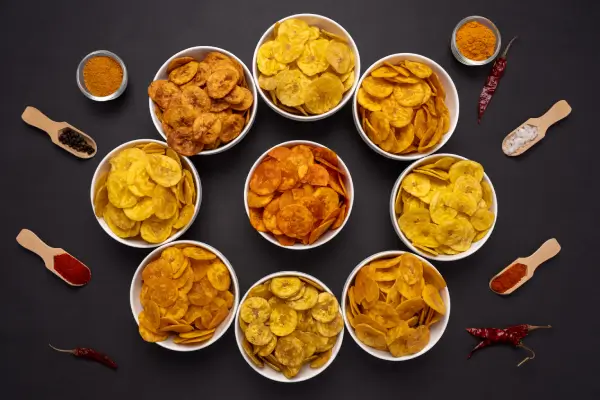
Let’s be honest. You’ve stood in front of the chips aisle, picked up a Lay’s, flipped it over, read the ingredients — “permitted artificial flavouring, acidity regulator (330), maltodextrin” — and put it back. Then picked it up again.
We’ve all been there.
The problem isn’t willpower. It’s that most “healthy” snack alternatives taste like cardboard, cost a small fortune, or both. So we reach for the familiar yellow packet and move on.
But here’s what most people don’t know: some of the most genuinely satisfying snacks in India have been around for centuries. They’re not health trends. They’re not keto-certified or influencer-endorsed. They’re just real food, made simply, with ingredients you can actually pronounce.
Here’s an honest look at some of the best alternatives to Lay’s — and why they’re worth trying.
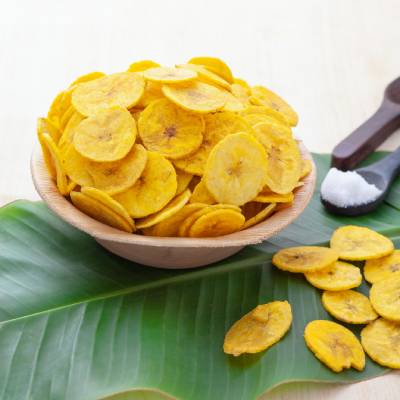
1. Kerala Banana Chips (The Real Kind)
If you’ve only ever had banana chips from your local supermarket, you haven’t really had banana chips.
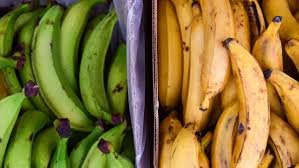
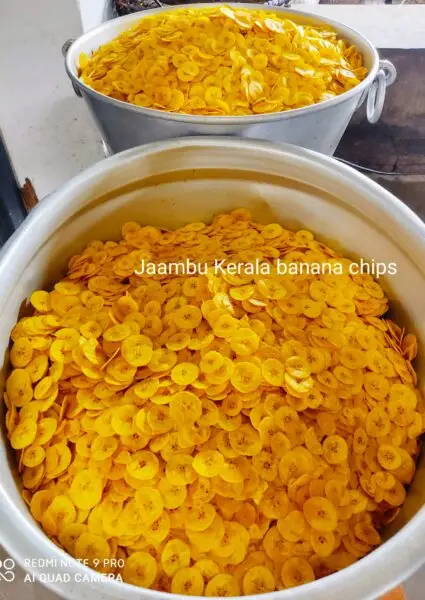
The authentic Kerala version — made from raw Nendran bananas (plantain’s actually, and there’s a difference, click here to find out), sliced thin and fried to a perfect crisp — is a completely different experience. It’s not sweet. It’s not soggy. It has a depth of flavour that comes from a very specific banana variety grown in Kerala, one that’s been used for this purpose for generations.
Why it’s better than Lay’s: Lay’s is essentially potato, refined starch, and a carefully engineered flavour system designed to keep you reaching into the packet. Kerala banana chips are made from one ingredient: Nendran bananas/plantains. The flavour comes from the fruit itself — naturally starchy (not sugary), which means it’s filling in a real way rather than the empty-crunch way that potato chips are.
What to look for: Single-origin, Kerala-made chips. The difference in flavour between a chip made from Nendran bananas and a generic banana chip is significant enough to matter.
2. Murukku
Ask any South Indian grandmother what she makes during Diwali and murukku will be among the first things she mentions.
Murukku is a spiral-shaped, crunchy snack made from rice flour and urad dal flour. That’s it. The good ones have some sesame or jeera, a little salt, maybe some pepper. The great ones have a subtle nuttiness from the urad dal that no potato chip can replicate.
Why it’s better than Lay’s: Rice flour and lentil flour are both genuinely nutritious — rice flour is easily digestible, and urad dal brings protein and fibre. You’re essentially eating a legume-and-grain snack. Lay’s is potato and flavour chemistry.
There’s also something to be said for murukku’s density. A handful is genuinely satisfying in a way that a handful of Lay’s isn’t — you don’t mindlessly eat half a packet without realising it.
What to look for: Avoid murukku made with maida (refined wheat flour). The real thing has only rice flour, urad dal, and a few spices.
3. Jackfruit Chips
Jackfruit chips are perhaps the most underrated snack in India. They’re not easy to find outside Kerala and parts of Tamil Nadu, which is part of why most people haven’t tried them.
Made from raw jackfruit — not the ripe, sweet kind — they have an earthy, slightly savory flavour that’s completely unlike anything else. The texture is thicker and more substantial than a potato chip, with a satisfying crunch that lingers.
Why it’s better than Lay’s: Raw jackfruit has a low glycemic index and is notably high in fibre. A small serving keeps you full longer than the same weight in potato chips. There’s also no artificial flavouring involved — the taste you’re getting is just jackfruit, which turns out to be quite enough.
They’re naturally gluten-free, which matters to more people than it used to.
What to look for: Freshness matters enormously with jackfruit chips. Small-batch production — ideally from Kerala — gives you a chip that’s meaningfully crunchier and more flavourful than mass-produced versions.
4. Tapioca (Kappa) Chips
Tapioca chips don’t have the cultural cachet of banana chips or murukku, but they deserve more attention.
Made from cassava root (called kappa in Kerala), these chips are thin, almost translucent, and have a clean starchy flavour that takes to seasoning beautifully. Salt and pepper tapioca chips are particularly good — the spice sits differently on cassava than it does on potato, more evenly distributed, less harsh.
Why it’s better than Lay’s: Cassava contains resistant starch, which feeds gut bacteria rather than spiking blood sugar the way refined potato starch does. These chips are lighter in character — there’s a delicacy to a good tapioca chip that you don’t usually associate with fried snacks.
They’re also a genuinely different eating experience. If you’ve been snacking on potato chips for years, something with a different base ingredient breaks the monotony in a satisfying way.
5. Roasted Makhana (Fox Nuts)
Makhana deserves a mention even though it’s a very different experience from chips.
Popped lotus seeds — light, airy, slightly nutty — have been eaten in India for centuries, particularly as a fasting food. Roasted with a little ghee and rock salt, they’re genuinely addictive in a way that feels completely different from the chemical-flavour hit of a Lay’s chip.
Why it’s better than Lay’s: Makhana is low in saturated fat, high in protein relative to its calorie count, and contains magnesium and potassium. It’s not a miracle food, but it’s nutritionally honest in a way that most snacks aren’t.
The only caveat: buy plain roasted makhana and season it yourself. The flavoured commercial versions often undo all the benefits with the same artificial additives you were trying to avoid.
A Note on “Healthy” Snacks
There’s a version of this article that would rank snacks by macros and tell you exactly how many grams of protein per serving. We’re not going to do that.
The honest truth is that snacking is about satisfaction as much as nutrition. A snack that doesn’t satisfy you will lead to more snacking. The reason these alternatives are genuinely better than Lay’s isn’t just the ingredients — it’s that they actually taste like something real.
When you eat a Kerala banana chip, you taste the plantain. When you eat murukku, you taste the rice and the dal. There’s nothing synthetic trying to convince your brain that this is delicious. It just is.
That’s the argument for traditional snacks. Not that they’re superfoods. But that they’re honest.
How to Find Them
Most of these snacks are available at South Indian grocery stores, or in the specialty section of larger supermarkets. Quality varies wildly — freshness makes a meaningful difference with traditionally made chips.
If you can’t find them locally, small-batch producers shipping directly from Kerala have become a reliable option. The turnaround is quick enough that the chips arrive fresh, and you can taste the difference.
If you’ve been reaching for Lay’s mostly out of habit, these are worth trying. Not as a health compromise. Just as genuinely better snacks.
Jaambu makes traditional Kerala snacks — banana chips, murukku, jackfruit chips, tapioca chips, and more — in small batches in Kochi and bulk shipped to Pune for fast deliveries across India.
Shop Kerala Snacks →