The King of Bananas: Why the Nendran Stands Alone
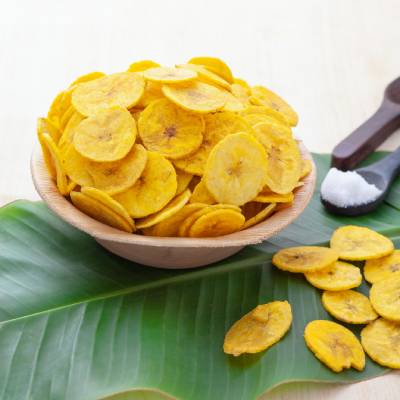
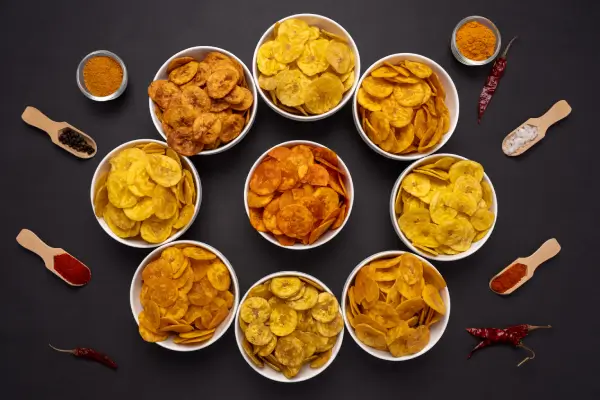
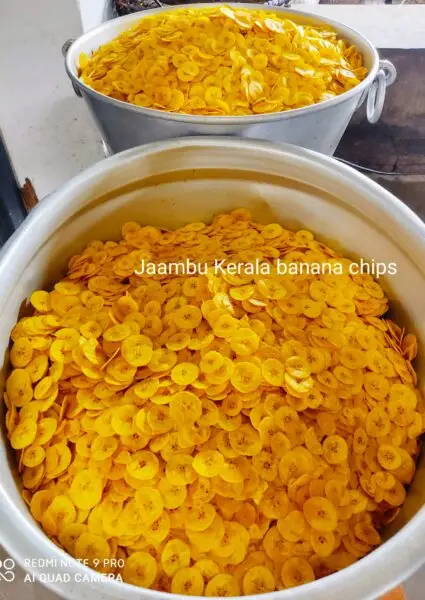
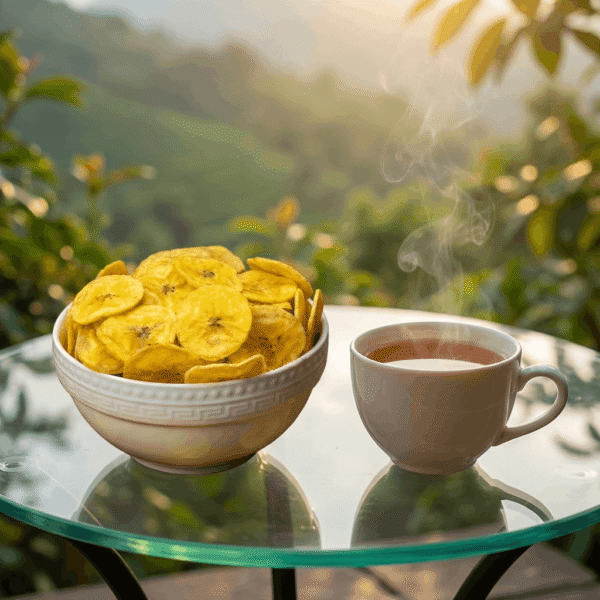
In the world of banana chips, most people don’t know that what they are eating is a banana chip and what they really want is a Kerala plantain chip. The chips that stick to the teeth after eating a few chips are banana chips. The chips that melt in the mouth are plantain chips.
To know more about the difference between a banana and plantain and what you’ve been missing out on, click here.
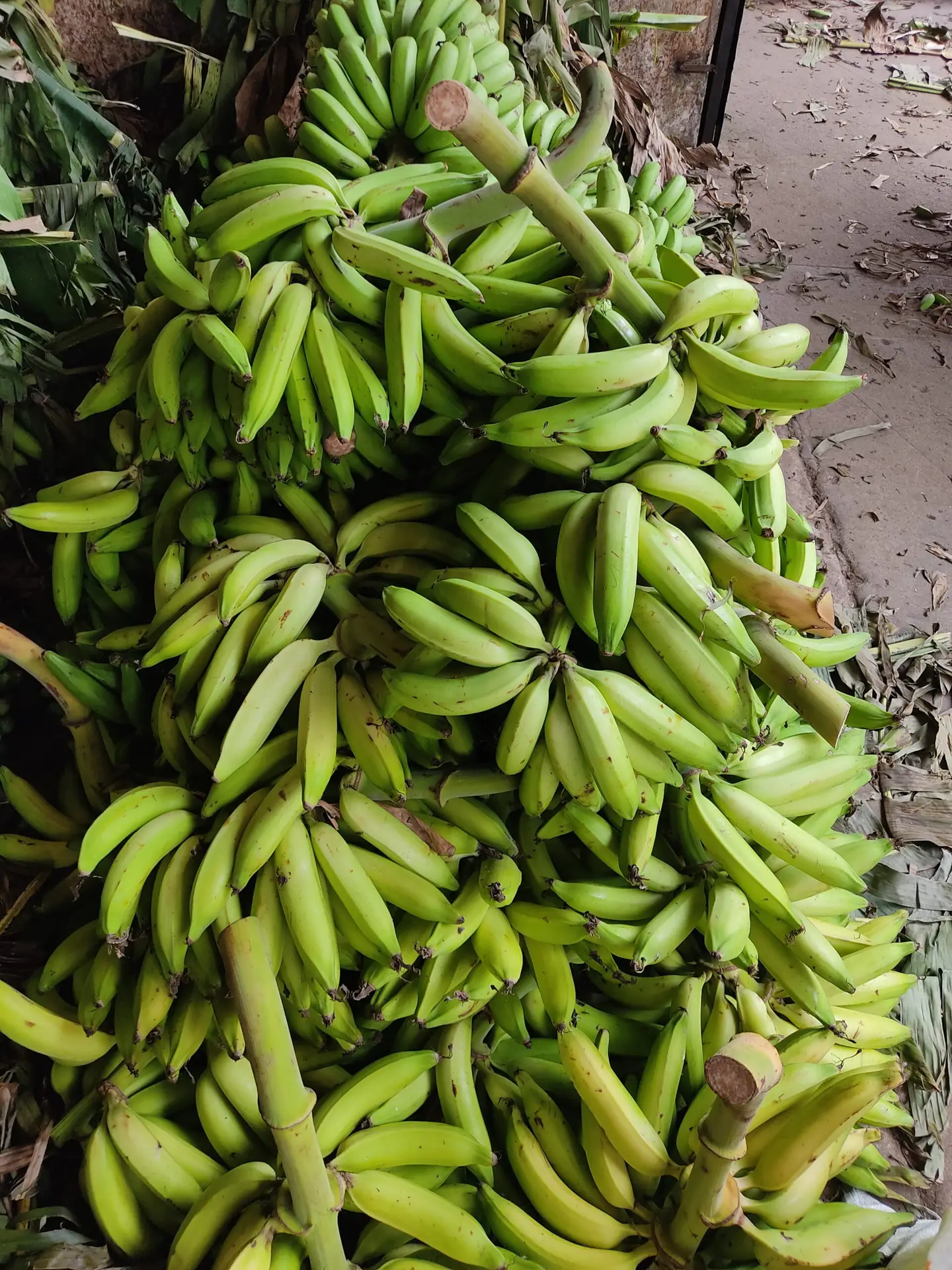
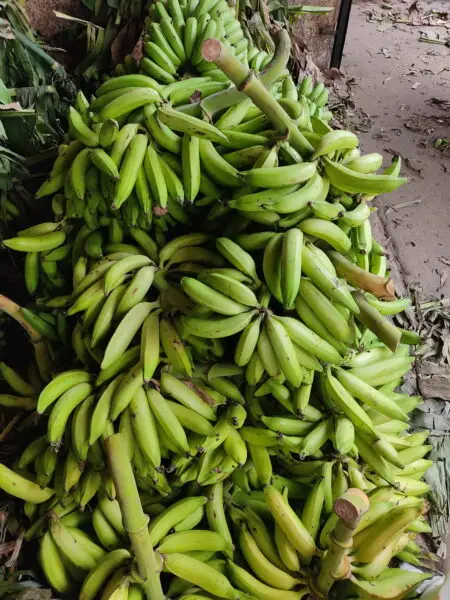
To the casual observer, it might just look like a larger, pointier version of the fruit you find in a standard grocery store. But to anyone who has tasted a Kerala Nendran banana (plantain) chip made in pure coconut oil or a steamed Pazham Pori, the Nendran plantain is in a league of its own.
Here is what makes this “King of Bananas” so incredibly special.
1. A Distinct Nutritional Powerhouse
Unlike the common Cavendish banana, the Nendran is technically a plantain. This means it has a higher starch content and a lower water percentage.
- Prebiotic Benefits: It is a fantastic source of resistant starch, which acts as a prebiotic, fueling the good bacteria in your gut.
- Essential Nutrients: It is packed with Vitamin A, Vitamin C, and Potassium—essential for immunity and heart health. In traditional Kerala households, sun-dried Nendran powder is often used as a nutrient-dense first food for infants.
2. The Texture Advantage
The magic of the Nendran lies in its firmness. Because it is less “mushy” than other varieties, it holds its structural integrity during cooking.
When sliced thin and fried, it doesn’t soak up excessive oil. Instead, the heat transforms that high starch content into a crisp, glass-like snap. This is the secret behind why true Kerala banana chips have that legendary “crunch” that other bananas simply cannot replicate.
3. The Transformation of Flavor
The Nendran is a fruit of many stages. Each stage offers a completely different culinary experience:
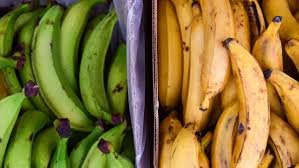
- Green (Unripe): Savory and starchy. Perfect for the classic salted chips.
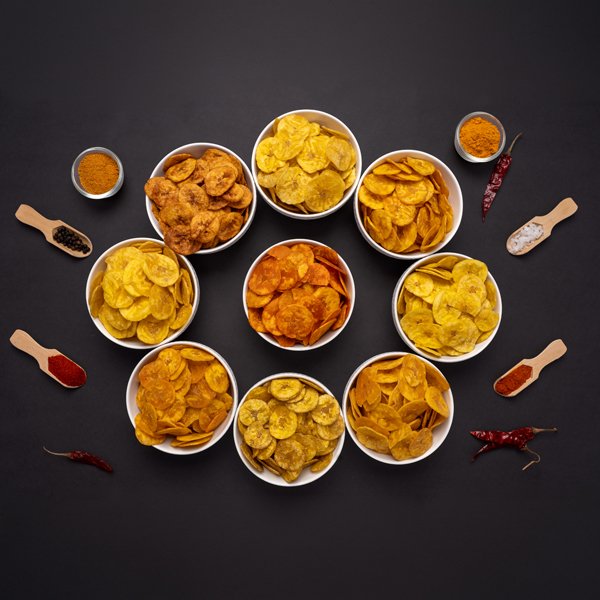
- Yellow (Ripe): The starch begins to turn to sugar. This is when the flavor becomes complex—sweet with a subtle tang.
- Black-Spotted (Overripe): At its sweetest, it is used for Pazham Pori (fritters) or slow-cooked in ghee to make Halwa.
4. Deep-Rooted Cultural Heritage
The Nendran isn’t just a snack; it’s a cultural icon. It is an essential part of the Sadya (the traditional Kerala feast), served as both a chip and a sweet accompaniment. For centuries, the cultivation of Nendran bananas has been a way of life for farmers along the banks of the Periyar river, where the rich, alluvial soil provides the perfect mineral balance for the fruit to thrive.
5. Why Authenticity Matters
Because the Nendran is so unique, there are no shortcuts. To get the authentic taste, it must be:
- Sourced from the right soil (Kerala).
- Harvested at the exact right moment of maturity.
- Processed using traditional methods (like frying in pure coconut oil or sunflower oil rather than palm oil).
The Verdict
The Nendran banana is a rare combination of culinary versatility and high nutritional value. It is the backbone of Kerala’s snack industry and a testament to how nature, when treated with respect and tradition, produces the finest results.
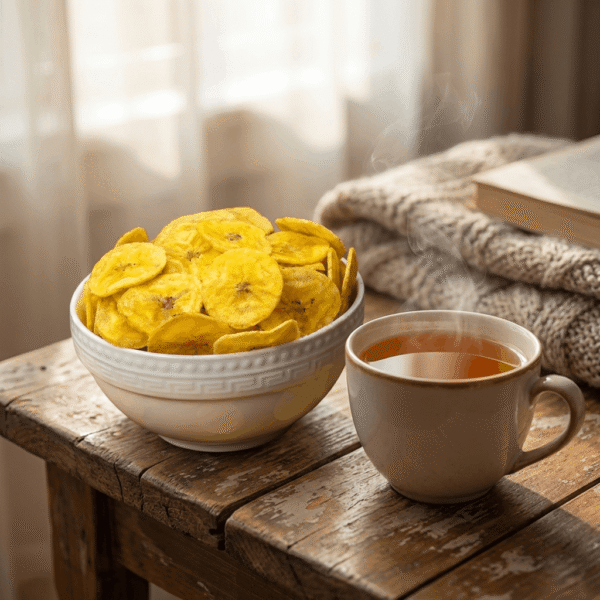
Next time you hear that distinct snap of a banana chip, remember—it’s not just a snack; it’s the legacy of the King of Bananas.
Click here to order you pack of nature’s finest banana chip, the Jaambu Kerala Nendran banana chip, plain salted in coconut oil.