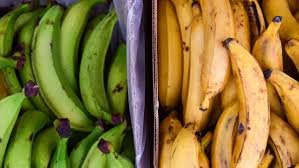
To the untrained eye, a plantain just looks like a banana that went to the gym. They belong to the same Musa family, they look remarkably similar, and they both grow in tropical climates. But in the kitchen, these two fruits couldn’t be more different.
If you’ve ever peeled a raw plantain and made chips out of a standard Cavendish banana, you’ve likely realized that they are not the same. Here is the breakdown of what sets them apart.
1. Starch vs. Sugar: The Chemical Divide
The biggest difference lies in their carbohydrate profile.
Bananas: As a banana ripens, its starch converts rapidly into sugar. This makes the fruit soft, sweet, and easy to eat ripe.
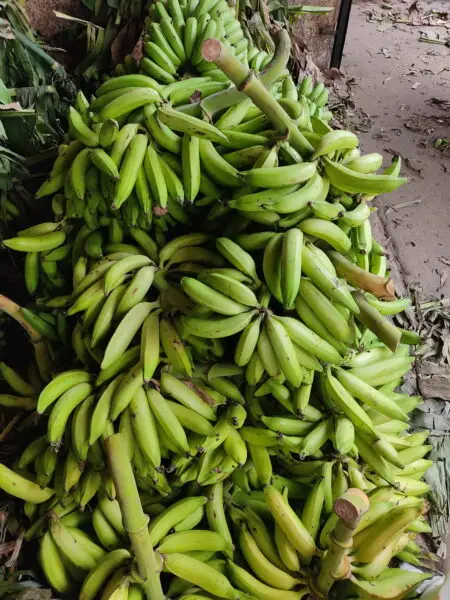
Plantains: These are essentially “starchy bananas.” They stay high in complex carbohydrates even as they ripen. Because of this high starch content, plantains are almost always treated like a vegetable (similar to a potato) rather than a fruit.
2. The Texture and Peel
You can usually spot the difference just by touching them.
The Peel: A banana has a thin skin that zips off easily when ripe. A plantain has a thick, tough, almost fibrous skin that usually requires a knife to remove.
The Flesh: A banana is creamy and soft. A plantain is firm and dense. Even when cooked, a plantain maintains its structural integrity, whereas a banana will turn to mush under high heat. Click here to order Jaambu’s Ripe Nendran Banana chips and see the difference.
3. Culinary Roles: Snack vs. Staple
Because of their different textures, they play very different roles in global cuisines.
Feature
Dessert Banana (Cavendish)
Plantain (Cooking Banana)
How it’s eaten
Mostly raw, in smoothies or desserts.
Almost always cooked (fried, boiled, or roasted).
Flavor Profile
Sweet and aromatic.
Mild, starchy, and neutral (when green).
Best For
Banana bread, fruit salads, quick snacks.
Chips, mash, savory stews, or sweet fritters.
4. The Ripening Spectrum
Both fruits change color as they age, but while a black banana is usually destined for the trash (or banana bread), a black plantain is a culinary prize.
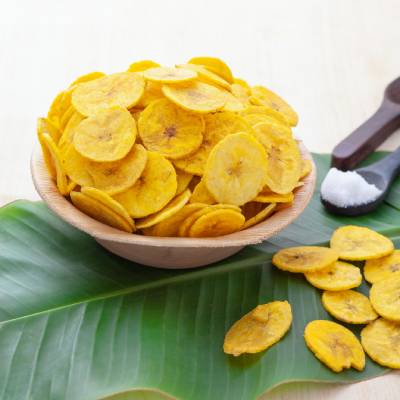
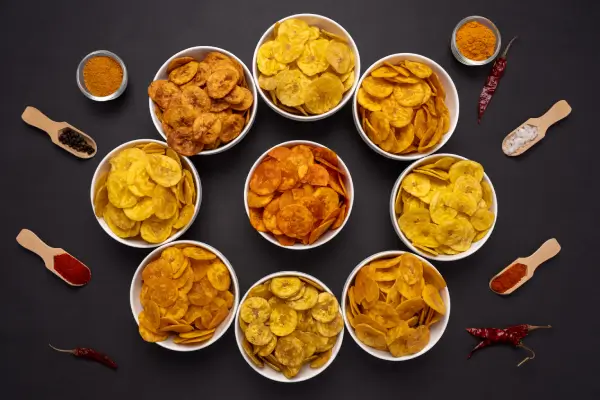
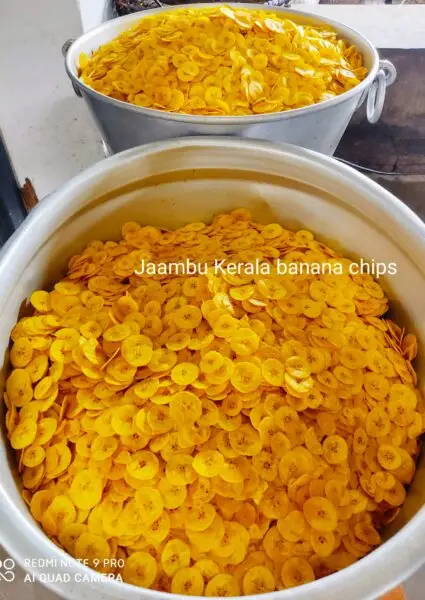
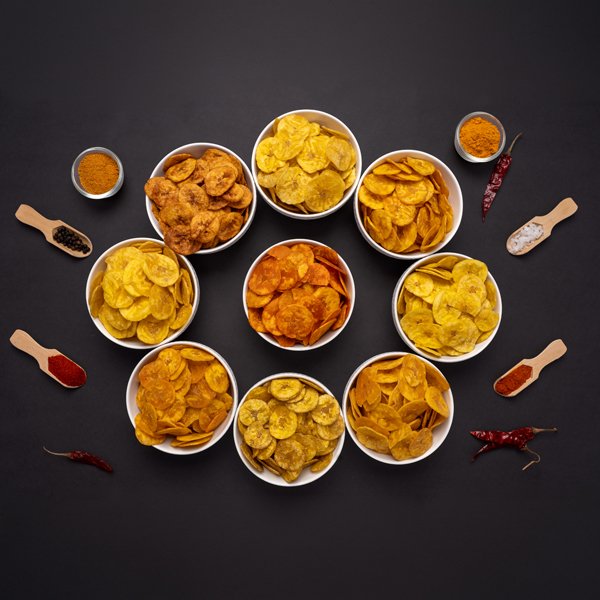
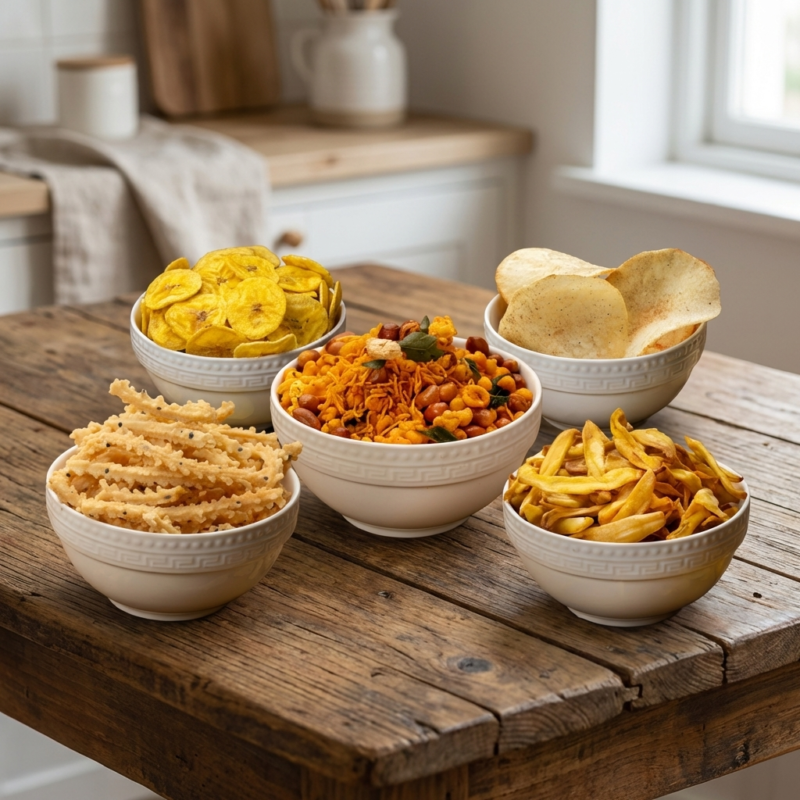
Green Plantain: Very starchy. This is the stage used for making the classic, savory Jaambu Kerala Banana Chips. It has a neutral flavor that takes well to salt and spices.
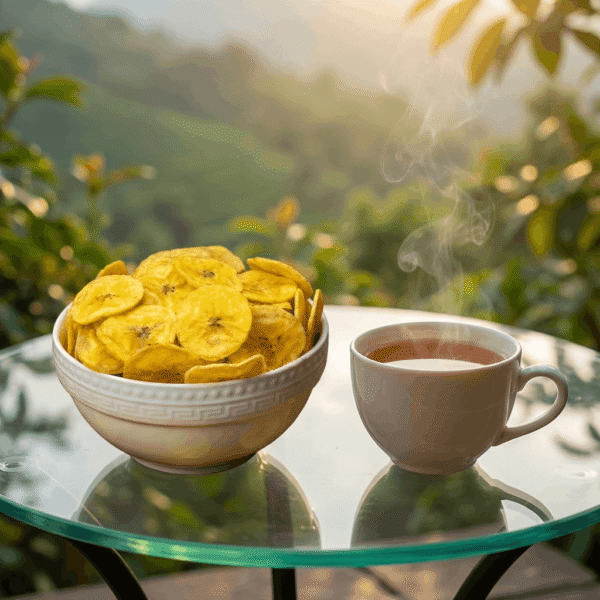
Yellow/Black Plantain: The starch has partially converted to sugar. When fried at this stage, the outside caramelizes into a sweet, crispy coating while the inside stays tender. Order Jaambu Ripe Nendran banana chips here.
5. Nutrition: A Close Race
Both are nutritional powerhouses, but they offer slightly different benefits:
Potassium: Both are famous for being heart-healthy and cramp-preventing.
Fiber: Plantains generally have more fiber than dessert bananas.
Vitamins: Plantains are particularly high in Vitamin A and C, which are great for immune support.
The Verdict: Which One Should You Choose?
It all depends on the “job” you need the fruit to do.
If you want a quick, portable hit of energy before a workout, grab a banana. But if you’re looking to create a crunchy, savory snack or a hearty side dish for a meal, the plantain—specifically the Jaambu Nendran variety—is the undisputed champion.
In the world of tropical flavors, the banana is the dessert, but the plantain is the meal.
Pro Tip: If you’re looking for that perfect middle ground—the crunch of a vegetable with the subtle aroma of a fruit—look for chips made from Jaambu Nendran plantains. They offer a density and “snap” that a standard banana simply can’t match.